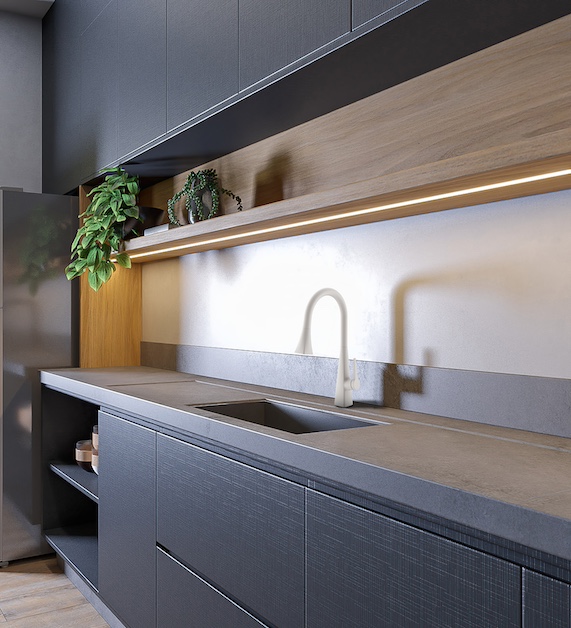
Why kitchen faucets with sprayer matter more than most buyers expect
Kitchen faucets with sprayer look like a simple upgrade, but in day-to-day use they change how a sink works. The right faucet affects how quickly you rinse produce, clean pans, fill stock pots, and keep the sink area from becoming a mess. For engineers, sourcing managers, and product teams, that means the choice is not just about style. It is about reach, control, serviceability, and how the fixture will hold up after repeated use.
A tall arched faucet with a pull-down spray head solves a familiar problem: fixed spouts often look clean but can be awkward when the sink is deep or the cookware is oversized. A single handle kitchen faucet also simplifies operation at the sink, especially when hands are wet or occupied. That combination explains why this category remains a reliable choice in residential kitchens, prep areas, and modern renovation projects.
What this faucet type is designed to do
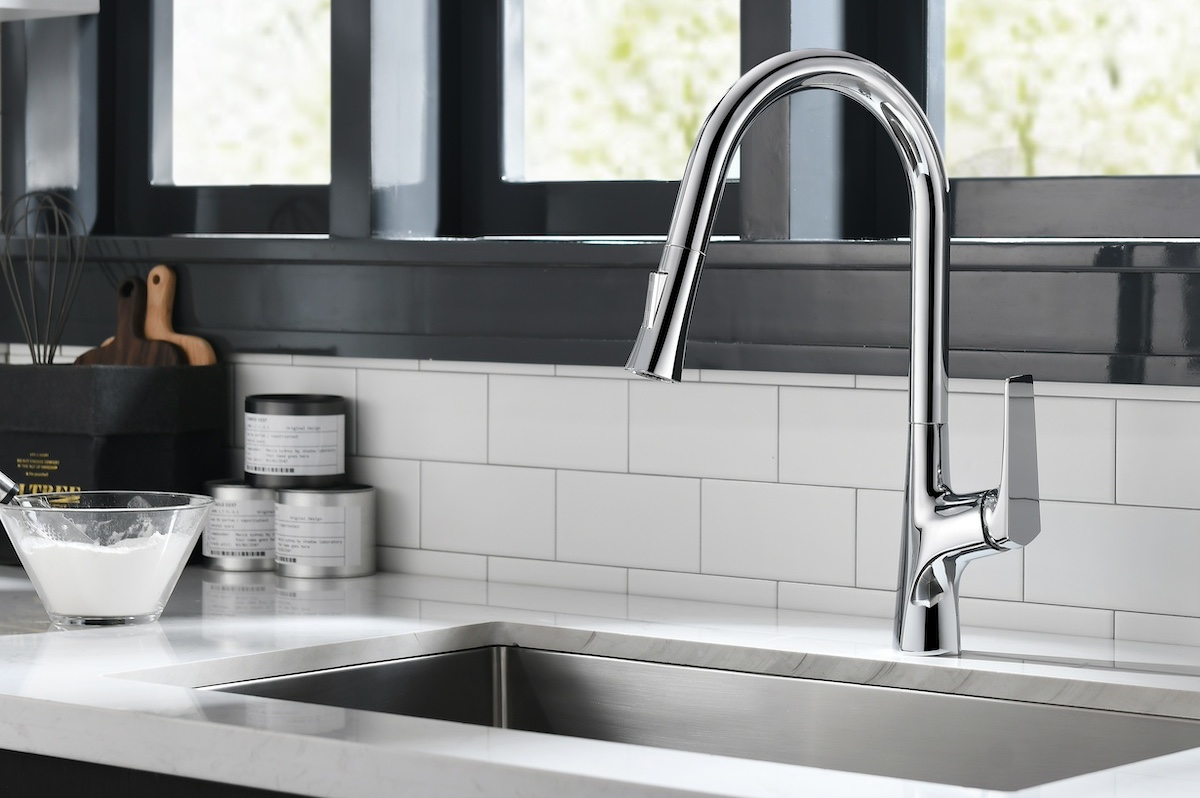
The product described here is a single-handle kitchen faucet / sink mixer with a pull-down or pull-out spray head. The form is straightforward: a high-arc gooseneck spout, a cylindrical body, a side lever with red and blue indicators, and a spray head at the spout tip. The finish appears brushed or satin brass/gold-tone rather than highly polished, which gives it a softer visual profile and can help it fit current contemporary interiors.
That visual detail matters, but the functional detail matters more. The arched spout gives clearance above the sink. The spray head adds range and flexibility. The single lever consolidates hot and cold water adjustment into one motion. For a buyer comparing fixtures, that means fewer tradeoffs between aesthetics, reach, and daily usability.
Quick selection guide: what to compare before you buy
When evaluating kitchen faucets with sprayer, it helps to focus on the use case first.
If the sink is deep or you often wash large cookware, a tall Pull Down Faucet style is usually easier to work with than a low spout.
If the kitchen has limited counter space, a compact single handle kitchen faucet may be easier to live with because one lever keeps operation simple.
If the fixture will be used in a prep sink or bar sink, make sure the spray head and hose movement are not excessive for the bowl size. Too much reach can be as awkward as too little.
If the project is a renovation, confirm the mounting style early. The image suggests a one-hole or deck-mount appearance, but that should be verified against the sink and deck layout before ordering.
How to install a kitchen faucet without creating extra work later
The phrase how to install a kitchen faucet sounds basic, but installation mistakes often show up months later as leaks, wobble, poor clearance, or awkward hose routing. A careful install starts with the sink layout, not the wrench.
1. Check the mounting hole and deck space
Before removal or installation, confirm the hole count and spacing. A faucet that looks elegant on a showroom page can become a poor fit if the deck plate, escutcheon, or supply line routing does not match the sink.
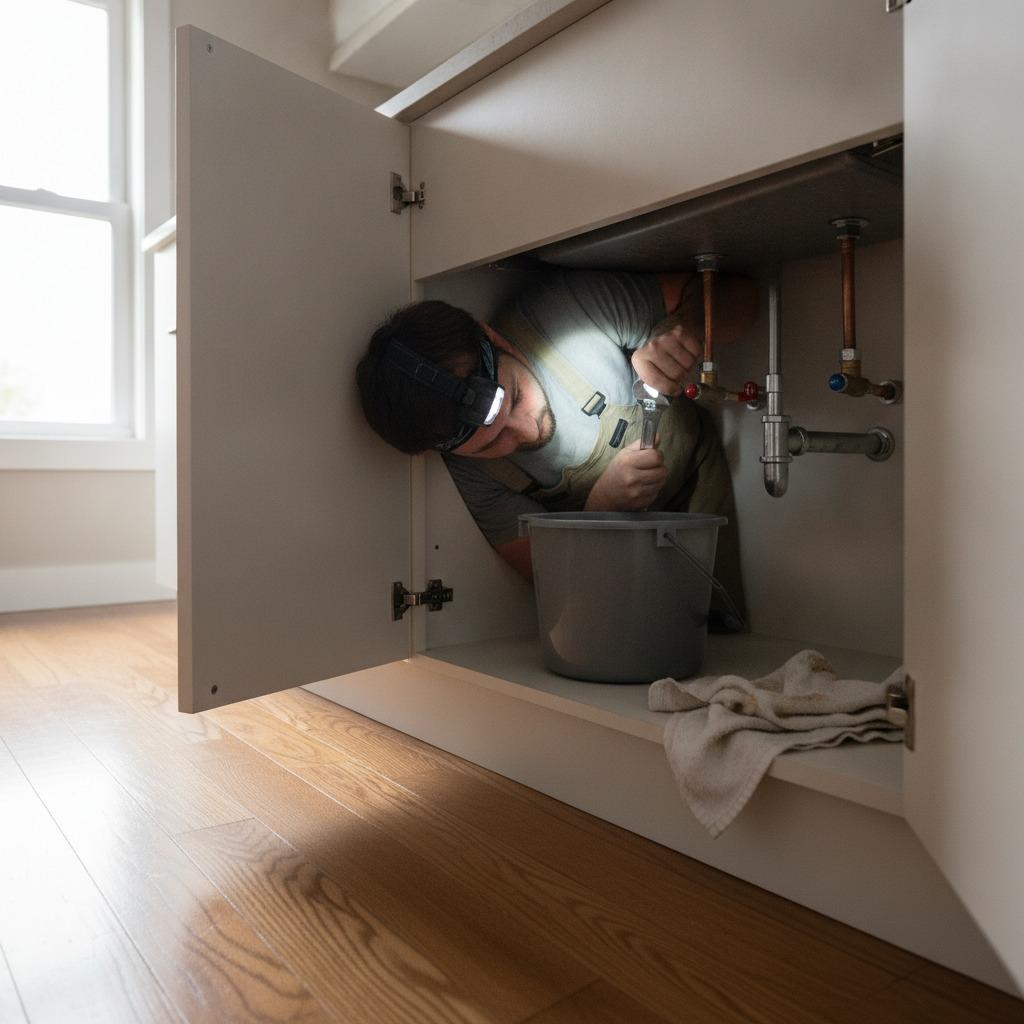
2. Verify hose movement under the sink
Pull-down and pull-out spray heads need room below the basin. The hose should move freely without rubbing on sharp edges, drain hardware, or stored items. That sounds minor, but it is one of the more common causes of premature wear.
3. Tighten for stability, not force
A faucet should sit firmly on the deck, but over-tightening can stress the mounting hardware or distort seals. The goal is a stable base and smooth handle movement, not brute force.
4. Test temperature and spray function
Once installed, check both the mixing action and the spray head operation. Make sure the lever travel is smooth and that the spray head seats properly at the end of the spout. If the faucet includes a switch on the head, test that the mode changes cleanly.
Common buyer mistakes
One mistake is choosing by finish alone. A brushed brass or gold-tone faucet can anchor a design, but finish should not override practical concerns like reach, cleaning access, and compatibility with the sink.
Another is assuming every pull-down faucet behaves the same. In reality, hose feel, head weight, and spray return can vary a lot between models. Even when the exterior looks similar, the user experience may not be.
A third mistake is ignoring maintenance access. A kitchen faucet with sprayer is used constantly, so cartridges, connections, and supply lines should be reachable without dismantling half the sink area. That is especially important in commercial or shared-use environments.
What makes this style a sensible default
For many buyers, this faucet category offers a practical middle ground. It is more flexible than a standard fixed-spout tap, less complicated than a multi-feature professional-style setup, and generally easier for end users to understand. The rounded geometry and minimalist body also make it adaptable to several kitchen styles, from modern residential remodels to utility-forward prep spaces.
The important caution is simple: do not treat all kitchen faucets with sprayer as interchangeable. The visible shape may be similar, but the mounting method, hose behavior, internal components, and service life can differ in ways that matter over time.
Next step for sourcing or project planning
If you are shortlisting faucets for a sink program, start with the sink dimensions, deck configuration, and user task profile. Then compare the faucet’s spout height, spray reach, finish, and installation requirements against those constraints. That order saves more time than chasing looks first and fixing fit issues later.
For teams building a product line or specifying fixtures for a renovation package, the best next step is to request the exact installation drawing, hose details, and internal specification from the supplier before approval. The exterior can tell you a lot, but not everything, and in plumbing hardware that difference tends to show up on site.