What a Tub Filler Does, and Why the Choice Matters

A tub filler may look like a straightforward bathroom fixture at first glance, but picking the wrong one can ruin your daily bathing experience long-term. A well-selected tub filler controls filling speed, minimizes water splash, and keeps your bathroom looking tidy and functional. Go with a poor match, and you’ll end up with awkward splashing, slow tub filling, and an overall bathroom setup that just feels unfinished.
I’ve worked with countless homeowners, renovation contractors, and project procurement teams over the years, and one mistake repeats itself constantly: people only shop by style. The real decision isn’t about which finish looks trendiest. It’s about finding a configuration that fits your tub type, existing plumbing rough-in, and real daily usage habits.
This selection process is far more technical than most buyers realize. A large deep soaking tub needs a completely different water flow setup compared to a compact alcove tub. Freestanding installations have totally different clearance requirements than traditional deck-mounted fixtures. Factor in varying household water pressure, valve compatibility, and optional handheld sprayer functionality, and you’ll quickly see why tub filler selection goes way beyond simple decor.https://www.evanka.cn/products/bathtub-faucets-2
Start With the Tub, Not the Faucet
The biggest mistake I see DIY shoppers and even some new contractors make is choosing the faucet first. Your tub should always be the foundation of the entire decision.
Start by measuring your mounting area, double-checking your plumbing rough-in specs, and confirming your tub style—freestanding, drop-in, alcove, or wall-mounted. These basic details determine exactly what kind of fixture you need: a deck-mounted spout installed on the tub rim, a wall-mounted unit, or a full floor-standing freestanding tub filler.
Clearance is another often-overlooked detail that makes or breaks usability. Tall, elegant spouts look great in photos, but if they extend too far outward, they’ll cause constant splashing outside the tub. Shorter, lower-profile spouts offer better water control but can slow down fill speed if the internal design is too restrictive. The sweet spot always balances your tub’s size and how fast you want your bath ready for use.
Quick Reference: Main Tub Filler Types
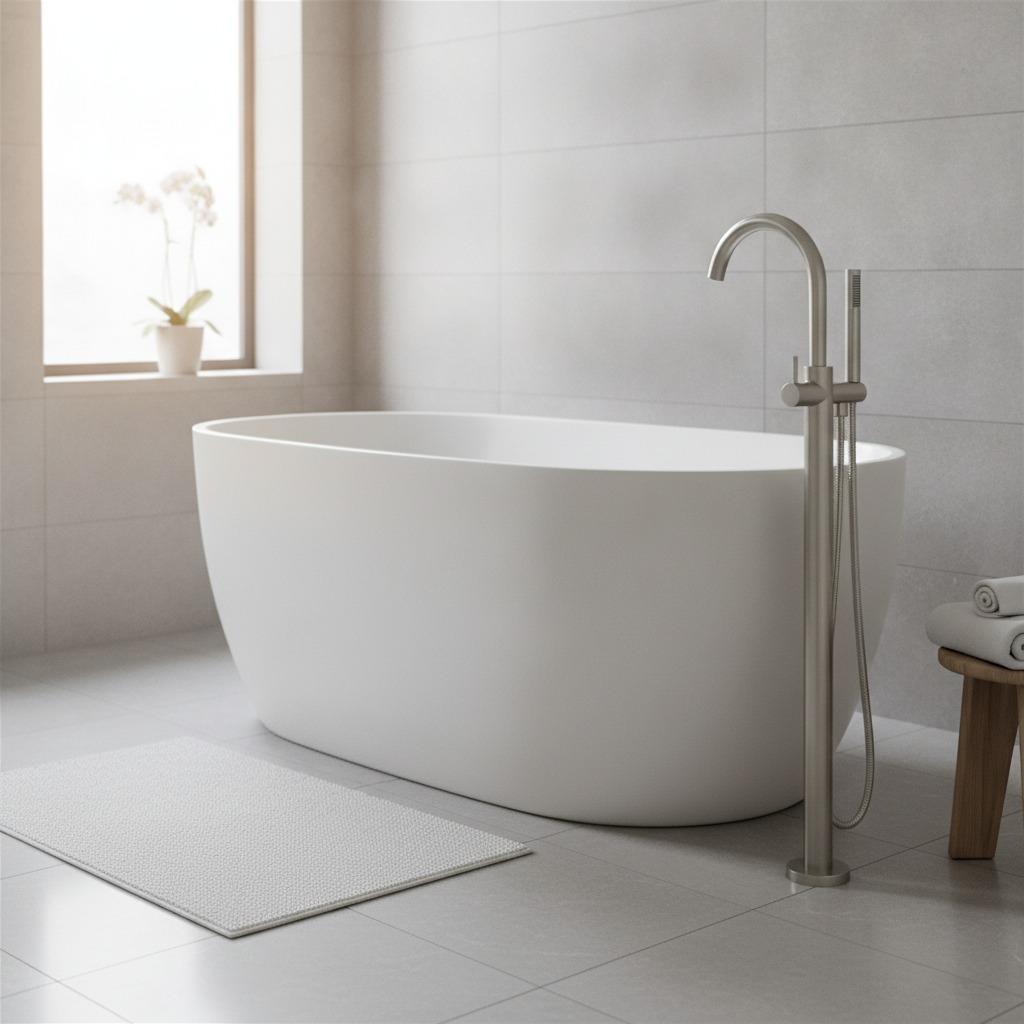
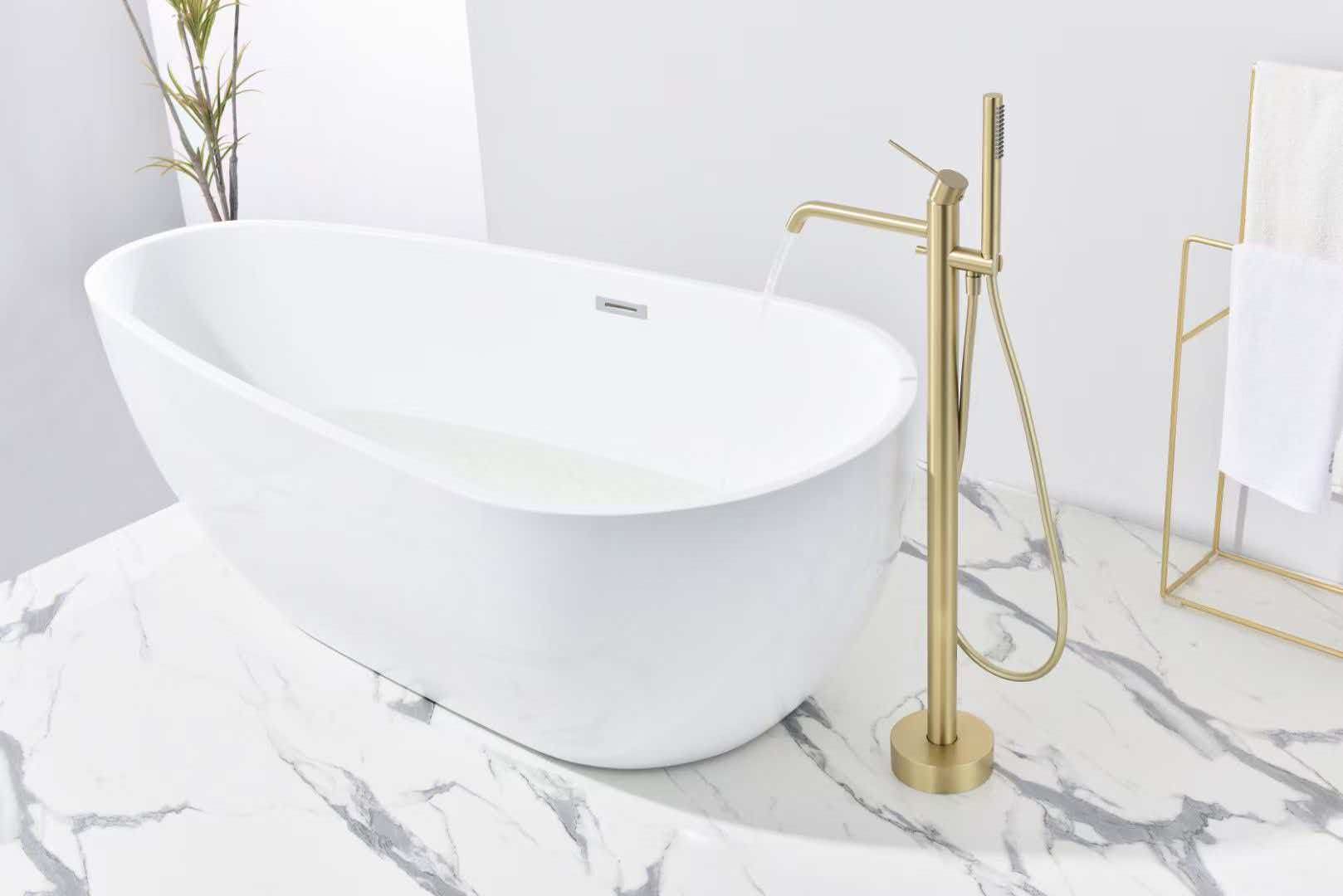
Freestanding models
These pair perfectly with modern freestanding soaking tubs, delivering a clean, high-end minimalist aesthetic. They work best when your plumbing lines can be routed up through the bathroom floor. That said, they need precise installation and secure anchoring—far more critical than most first-time buyers anticipate. Poor alignment during install leads to wobbly fixtures and uneven water flow down the line.
Deck-mounted models
Installed directly on the tub rim or surrounding deck surface, these are the go-to choice for built-in drop-in and alcove tubs. They create a seamless, integrated look that fits most traditional bathroom layouts. The only caveat is you need enough deck space to comfortably fit the spout, handle, and any optional hand shower attachments without feeling cramped.
Wall-mounted models
Wall-mounted tub fillers save valuable floor and deck space, streamlining the overall look of your bathroom. The main downside is limited flexibility. They rely entirely on your existing wall plumbing positioning, which is costly and troublesome to adjust mid-renovation.
When a Sprayer Actually Adds Real Value
A built-in sprayer isn’t a mandatory feature for every bathroom, but it’s incredibly practical for specific use cases. The most obvious benefit is easy post-bath tub rinsing and cleaning. It also comes in handy for bathing young kids, quick hair rinses, and assisting users with limited mobility.
That said, I always tell buyers to avoid unnecessary upgrades. A sprayer adds extra components, a flexible hose, and additional connection points that can develop wear over time. If your bathroom layout already feels cluttered, a basic spout-and-handle setup is the cleaner, lower-maintenance choice. If versatility is your top priority, the sprayer upgrade is well worth the minor extra maintenance.
Step-by-Step: How to Choose the Right Tub Filler
1. Match mount style to your tub type
Floor-standing fillers are made for freestanding tubs, while deck and wall-mounted units pair best with built-in models. Never force a trendy style that doesn’t match your tub structure—showroom photos don’t account for real-world usability.
2. Prioritize practical water delivery over aesthetics
Spout design, flow rate, and pressure tolerance directly impact fill speed. Many visually striking, designer-style spouts have poor flow performance. For deep soaking tubs, a slow fill rate quickly becomes a daily frustration you’ll regret.
3. Verify handle and sprayer placement
Handles should be easy to reach without awkward stretching or leaning over the tub. If you opt for a hand shower, confirm the hose length and docking position fit your bathroom size and daily routine, no awkward tangling or short reach.
4. Factor in long-term cleaning ease
Smooth, rounded surfaces and open, accessible bases are far easier to wipe clean. Floor-mounted hardware in wet rooms tends to trap water spots, soap residue, and mineral buildup, so always prioritize easy-maintenance designs.
5. Always check serviceability upfront
Every bathroom fixture needs occasional inspection and repair. Avoid designs that hide core valve components behind walls or complicated trim work. A tiny drip or seal issue can turn into an expensive repair if parts are inaccessible.
Common Costly Mistakes Buyers Make
The most prevalent error is assuming universal compatibility—no single tub filler works for every tub model. Many buyers also skip checking plumbing rough-in dimensions until construction is underway, which often leads to expensive last-minute rework.
Most people also underestimate splash risk. A high-flow spout with a poorly angled nozzle will leave water pooling on your bathroom floor every time you fill the tub. It’s a small design flaw, but it’s one of the most noticeable daily annoyances for homeowners.
Additionally, don’t default to a sprayer upgrade without careful thought. A poorly positioned or awkwardly stored sprayer becomes more trouble than it’s worth, cluttering your tub area and complicating routine cleaning.
Practical Maintenance Advice
Tub filler upkeep is simple, but proactive care prevents most common leaks and damage. Wipe away mineral deposits before they harden into stubborn limescale, and check handle operation every few months for stiffness or looseness.
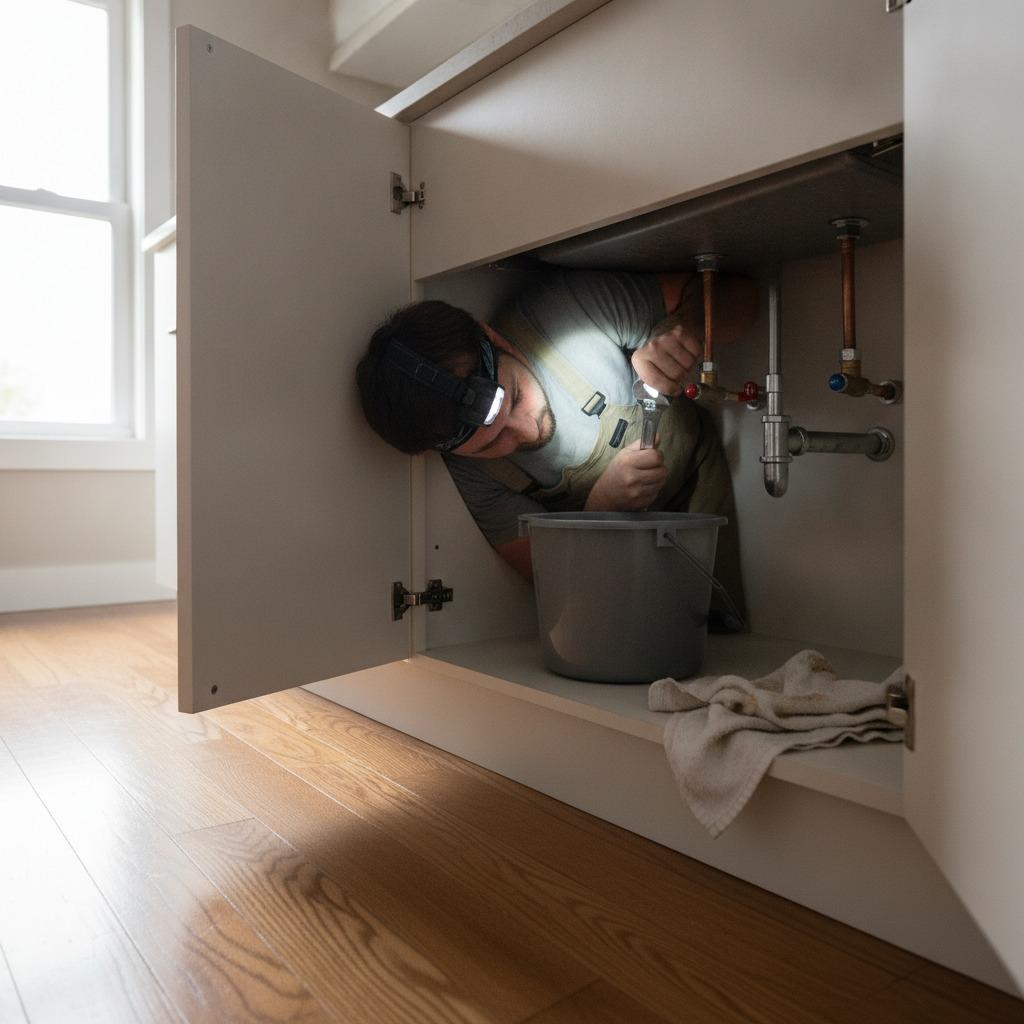
If you notice a small drip, fix it immediately. Most homeowners only search for leaky faucet solutions after minor drips turn into persistent staining and water waste. Small leaks almost always stem from worn internal seals or cartridge wear, and early intervention saves major headaches later.
If basic seal and cartridge checks don’t stop the drip, the issue likely lies deeper in the valve assembly. At that stage, guesswork will only worsen the problem—always consult a professional installer or plumber to inspect internal wear.
Key Questions to Ask Before Placing an Order
Will this fixture fit my tub and existing plumbing without extra adapters or modification work? Does the finish hold up well for my bathroom’s usage frequency? Is the design easy to clean and service for years to come?
If you can’t answer these confidently, hold off on purchasing. For renovation and project teams, resolving compatibility issues during the selection phase is infinitely cheaper than reworking finished tile, stone, or flooring after installation.
What the Best Tub Filler Choice Actually Looks Like
The best tub filler is never the flashiest or most expensive option on the market. It’s the fixture that fits your tub’s dimensions perfectly, delivers smooth, well-regulated water flow, and stays low-maintenance long after installation.
Some bathrooms benefit from a sleek freestanding floor model, while others function best with a simple wall or deck-mounted spout with no extra sprayer attachments. The right choice always depends on your tub structure, bathroom layout, and personal daily habits.
If you’re upgrading your bathroom or replacing old tub hardware, always start with measurements and functional planning before aesthetics. This simple workflow saves time, avoids costly mismatches, and delivers a far more practical, user-friendly bathroom finish than shopping by looks alone.