How to fix a dripping faucet without guessing at the real problem
If you’re searching for solutions to a dripping faucet, you’ve likely grown far beyond simple frustration. A persistent water drip doesn’t just waste fresh water—it leaves stubborn mineral stains on sink surfaces, and quickly makes any bathroom look poorly maintained. For residential homeowners, facility maintenance teams, and renovation project purchasers, the core issue is never just stopping the temporary leak. It’s about identifying the root cause of the faucet failure and figuring out whether repairing the existing unit or investing in a new replacement is the most cost-effective, long-term solution.https://www.evanka.cn/
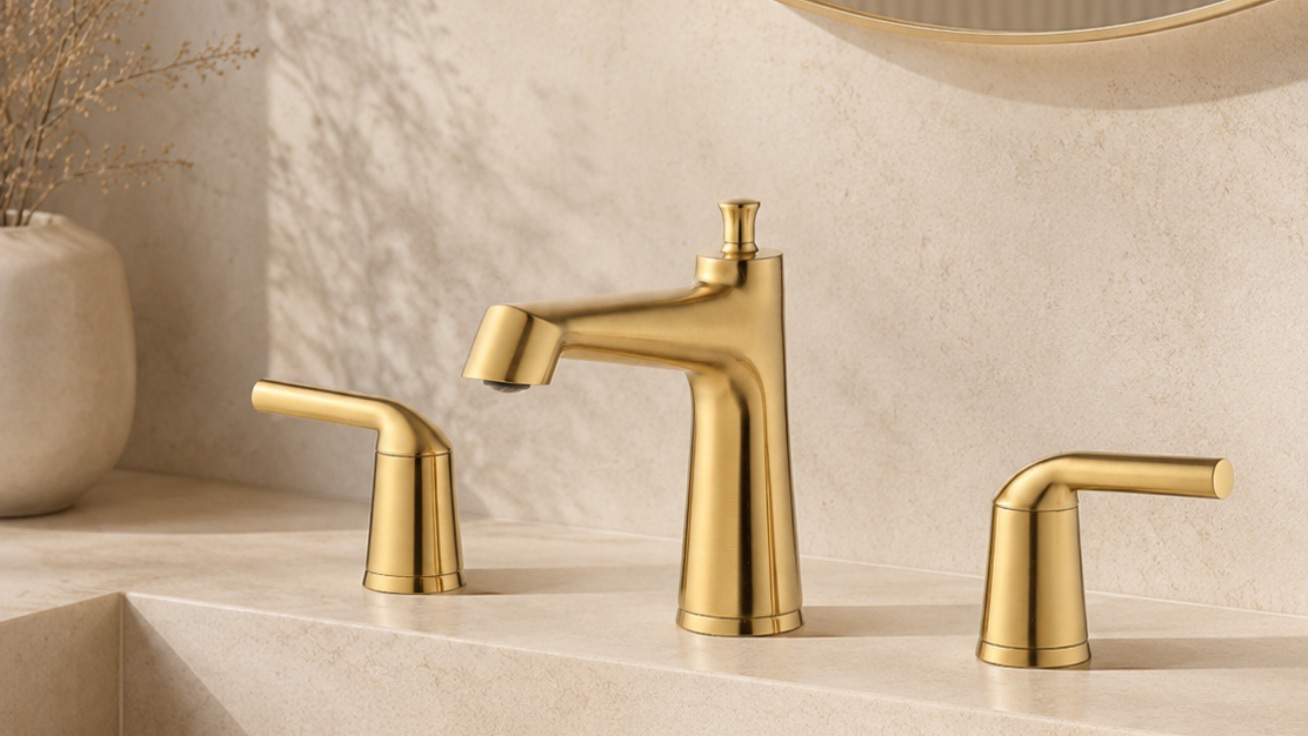
The key mistake most people make is assuming all faucet drips stem from the same issue. Worn-out cartridges, degraded rubber seals, loose handle fittings, and hard water scale accumulation are all common culprits behind this identical dripping issue. For bathroom faucets—especially popular single-lever basin mixers—the external symptom rarely tells the full story of internal wear and tear. The golden rule of faucet maintenance is to diagnose the fault first, instead of blindly tightening parts by force. This careless fix often turns a minor, inexpensive repair into a costly, complicated breakdown.
What a dripping bathroom faucet is actually telling you
In nearly all cases, a dripping faucet indicates that the internal sealing components can no longer form a full, watertight seal. Even if the faucet handle feels completely normal to the touch, the internal cartridge may have lost its water-blocking capacity. Some faucets only start dripping after you fully shut off the water, while others produce a steady, slow drip from the spout nonstop. Regardless of the timing, the root cause is consistent: key sealing parts have worn down, shifted out of position, or gotten clogged with mineral deposits and debris.
Bathroom vanity faucets are particularly prone to this issue due to frequent daily use. Even high-quality single-lever faucets with solid brass bodies stand up well to daily wear on the exterior, but their movable internal components endure constant friction and pressure. For commercial projects like hotels and apartment buildings, these seemingly tiny drips quickly turn into frequent maintenance work orders, increasing ongoing operational costs.
Before you repair, identify your faucet type
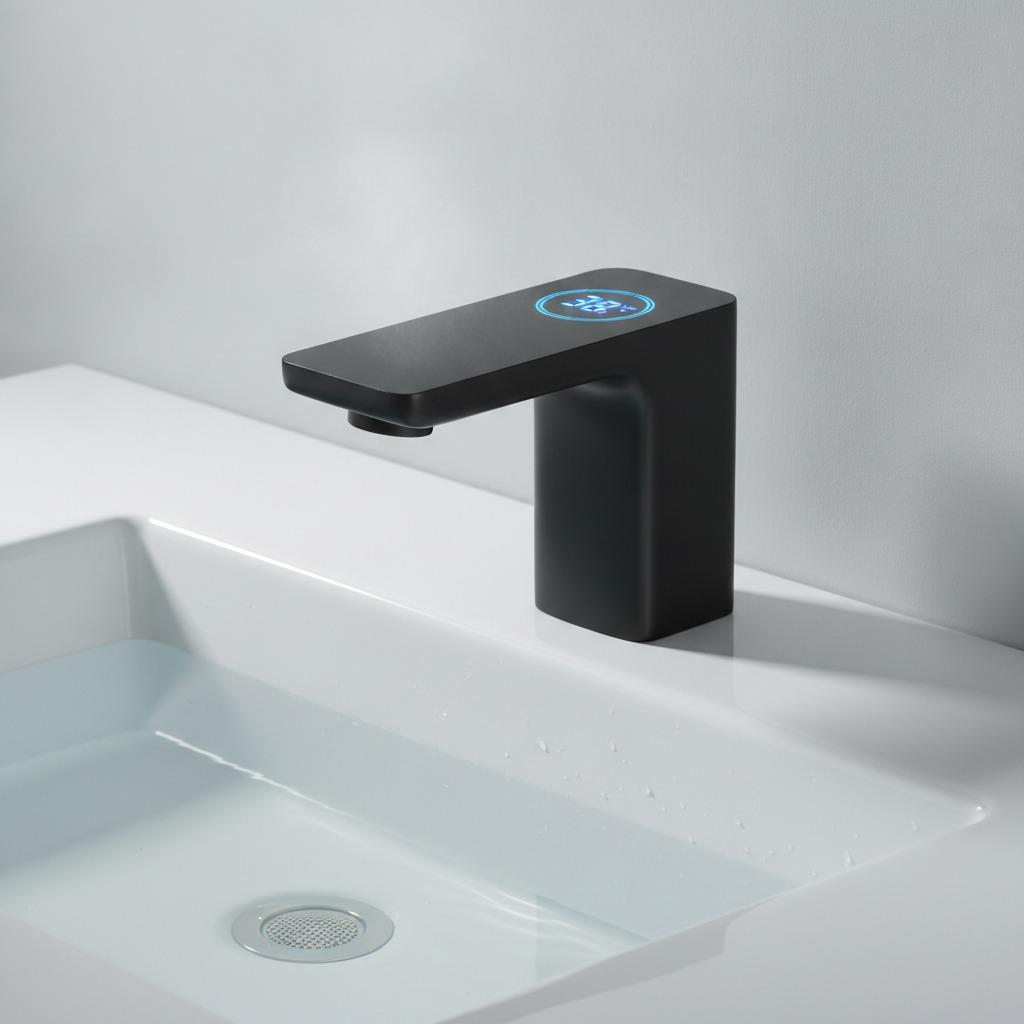
Bathroom faucets come in diverse structural designs, and their internal maintenance structures vary greatly. Single-handle deck-mounted brass basin mixers—widely used in modern bathroom vanities—operate on a completely different mechanism than widespread two-handle faucet sets. While their external appearances may look similar with matching body and trim parts, their internal repair and replacement structures are determined by the original manufacturing design.
As a general rule, single-lever faucet leaks are almost always linked to a faulty cartridge. For dual-handle faucets with separate hot and cold water controls, leaks typically originate from worn valve stems, rubber washers, or damaged O-rings. This basic classification is often overlooked by DIY repairers and bulk buyers, leading to incorrect spare part purchases. In faucet maintenance, choosing the wrong replacement part is always the most costly and avoidable mistake.
Practical, field-tested faucet repair steps
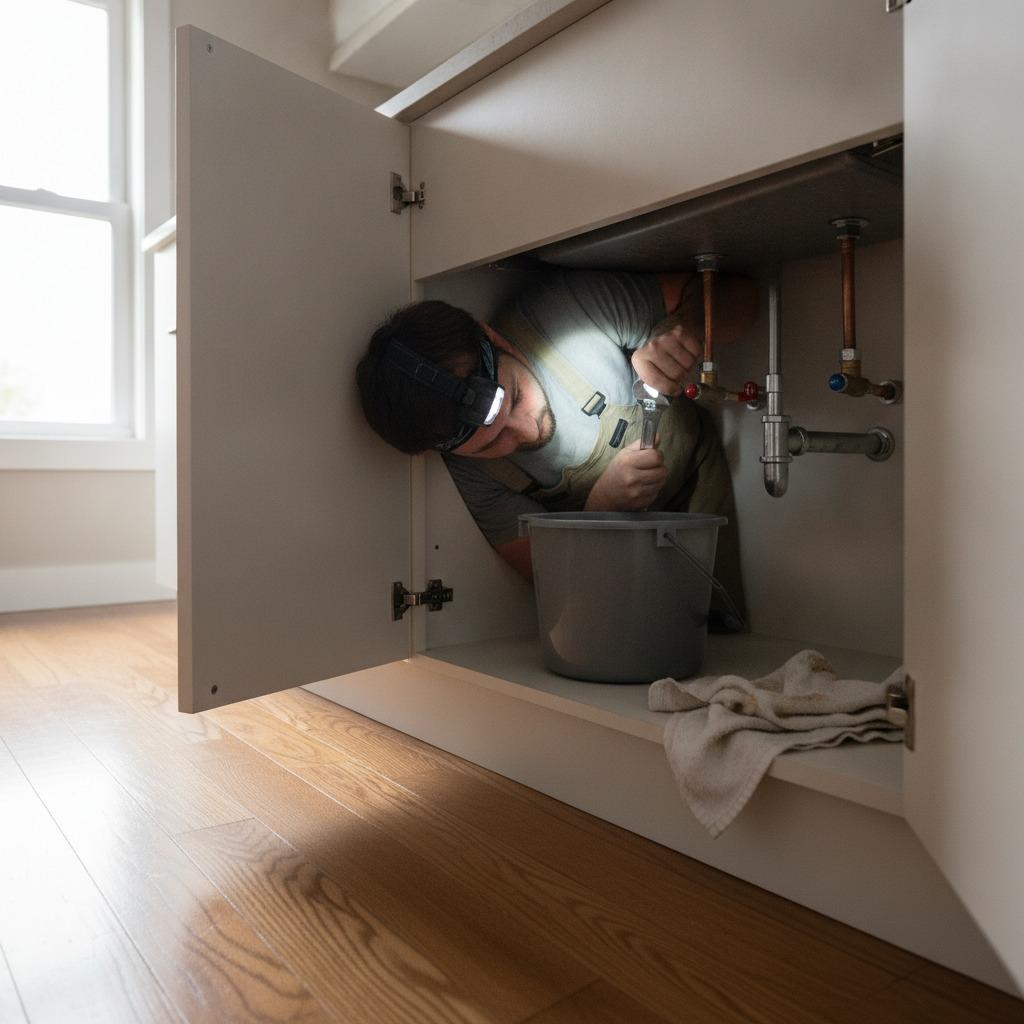
First, turn off the cold and hot water supply valves located under the bathroom sink. Flip on the faucet handle to release residual water pressure in the pipes, then carefully remove the faucet handle. Be sure to keep all screws and decorative trim pieces organized and stored safely—small hardware parts are easily lost during simple vanity faucet repairs, causing unnecessary delays.
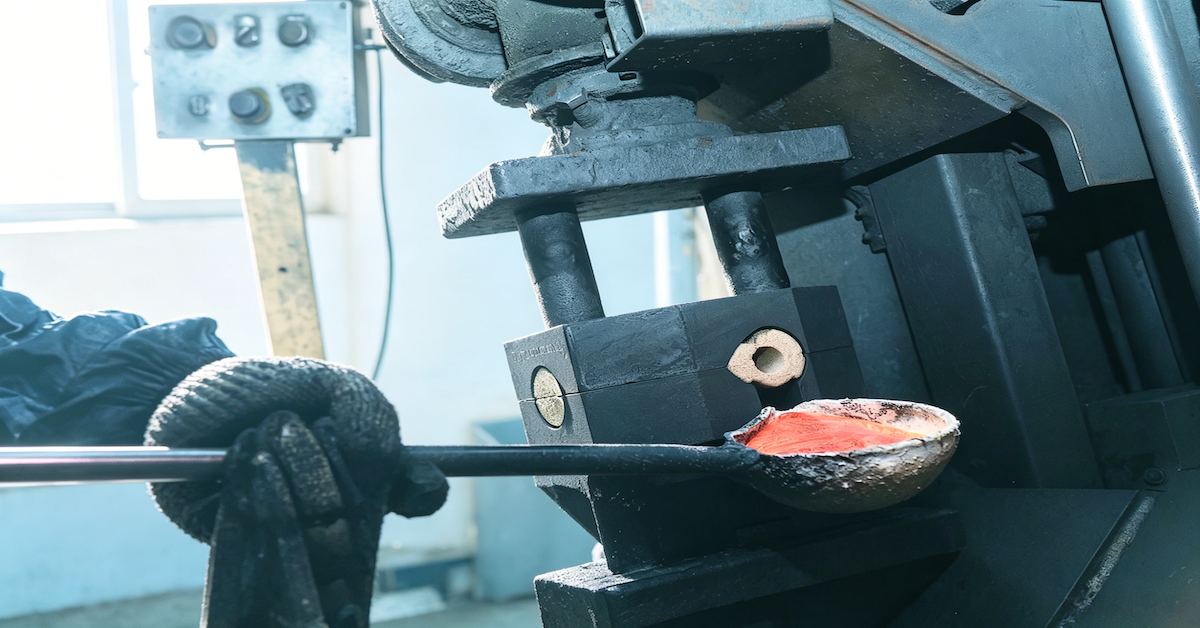
After removing the handle, inspect the cartridge assembly for hard water scale, cracked or deformed seals, and mineral buildup. Clean all accessible components with mild, non-scouring cleaning tools to avoid scratching internal parts. If the cartridge shows obvious wear or deformation, replacing it entirely is far more reliable than attempting to salvage a worn component for short-term use. A premium brass faucet body can last for years and withstand multiple internal part replacements, which is why serviceability is far more critical than just a sleek exterior finish.
If water drips from the spout even when the faucet is fully closed, the internal sealing interfaces are almost certainly worn out. If water seeps from the faucet base or around the handle stem, the issue lies with faulty O-rings, worn packing gaskets, or loose connection fittings. Base drips may seem trivial at first, but they will gradually leave permanent water stains on countertops and vanity cabinet edges over time.
When to repair, and when to replace your faucet entirely
Repair is the most practical option if your faucet has a solid, undamaged brass body, an intact exterior finish, and the leak is isolated to replaceable internal components. This is the typical scenario for well-maintained residential brass basin faucets. Full replacement becomes the better investment when you face recurring leaks, stiff or stuck handle movement, corrosion at joint connections, or outdated finish that no longer matches your bathroom decor.
Aesthetic upgrade is another valid reason for replacement. Upgrading to modern brushed nickel or satin gold faucet finishes can refresh the entire look of a bathroom vanity without replacing the sink or full bathroom hardware. For renovation projects, this targeted faucet replacement is a more efficient upgrade than repeatedly repairing aging, worn-out internal parts.
Key buying tips for project purchasers & sourcing managers
For procurement teams and renovation project buyers, the biggest challenge is not selecting a faucet style, but verifying internal product quality and specifications. Solid brass construction is a reliable baseline for durability, and single-lever deck-mounted basin faucets are the most universal, easy-to-specify option on the market. However, never assume cartridge specifications, sink hole spacing, surface coating processes, or water flow performance unless your supplier provides official, detailed product documentation. These core technical details directly impact installation efficiency and long-term maintenance, and cannot be judged simply from product photos.
When sourcing bathroom faucets for hotels, apartment complexes, or large-scale renovation projects, always confirm the product’s maintainability and after-sales service compatibility. A visually appealing finish is meaningless if the internal components are non-replaceable or difficult to service post-installation.
Quick FAQ
Why does my faucet drip after I shut it off?
This is mainly caused by incomplete sealing of internal components. For single-handle faucets, a faulty or worn cartridge is the number one cause of post-shutdown dripping.
Can I stop a drip just by tightening the handle?
Loose handle fittings can occasionally cause minor drips, but simple tightening will never fix worn seals or a degraded, failing cartridge.
Should I repair or replace a bathroom faucet?
Stick with repairs if the faucet body and exterior finish are still in good condition. Opt for full replacement if leaks reoccur frequently, the internal mechanism is severely worn, or the faucet’s style no longer fits your bathroom’s design.
Practical next steps
For minor drips, always diagnose the root cause before attempting any forced adjustments or repairs. If your faucet is aging or already has stiff, unsmooth operation, full replacement is usually the cleaner, more cost-effective long-term solution. For buyers sourcing new basin faucets, look beyond surface aesthetics and prioritize verifiable maintenance and structural specifications—these are the details that determine a faucet’s real value and durability months after installation.